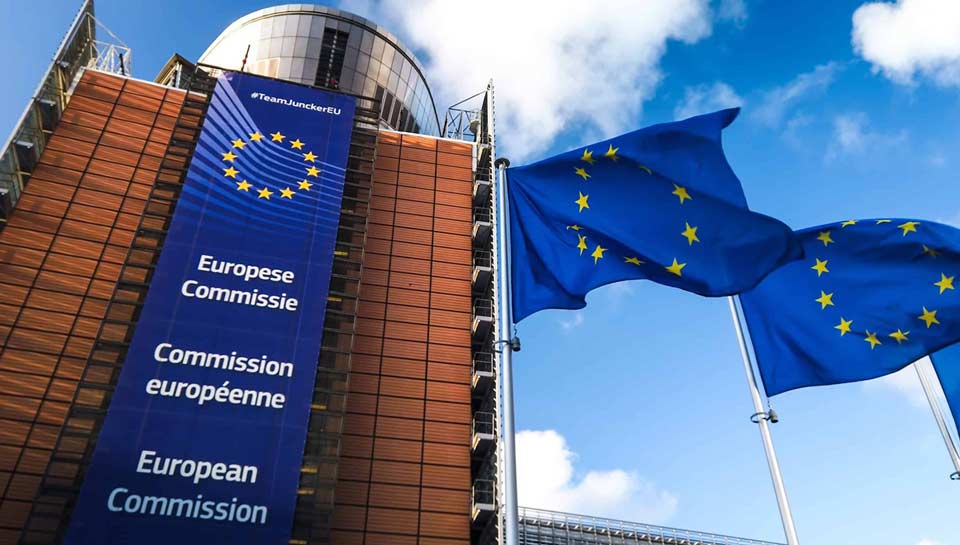
ევროკომისია: საქართველომ უვიზო მიმოსვლის შესანარჩუნებლად გაცემული რეკომენდაციები თითქმის სრულად უგულებელყო – ვითარება კიდევ უფრო გაუარესდა
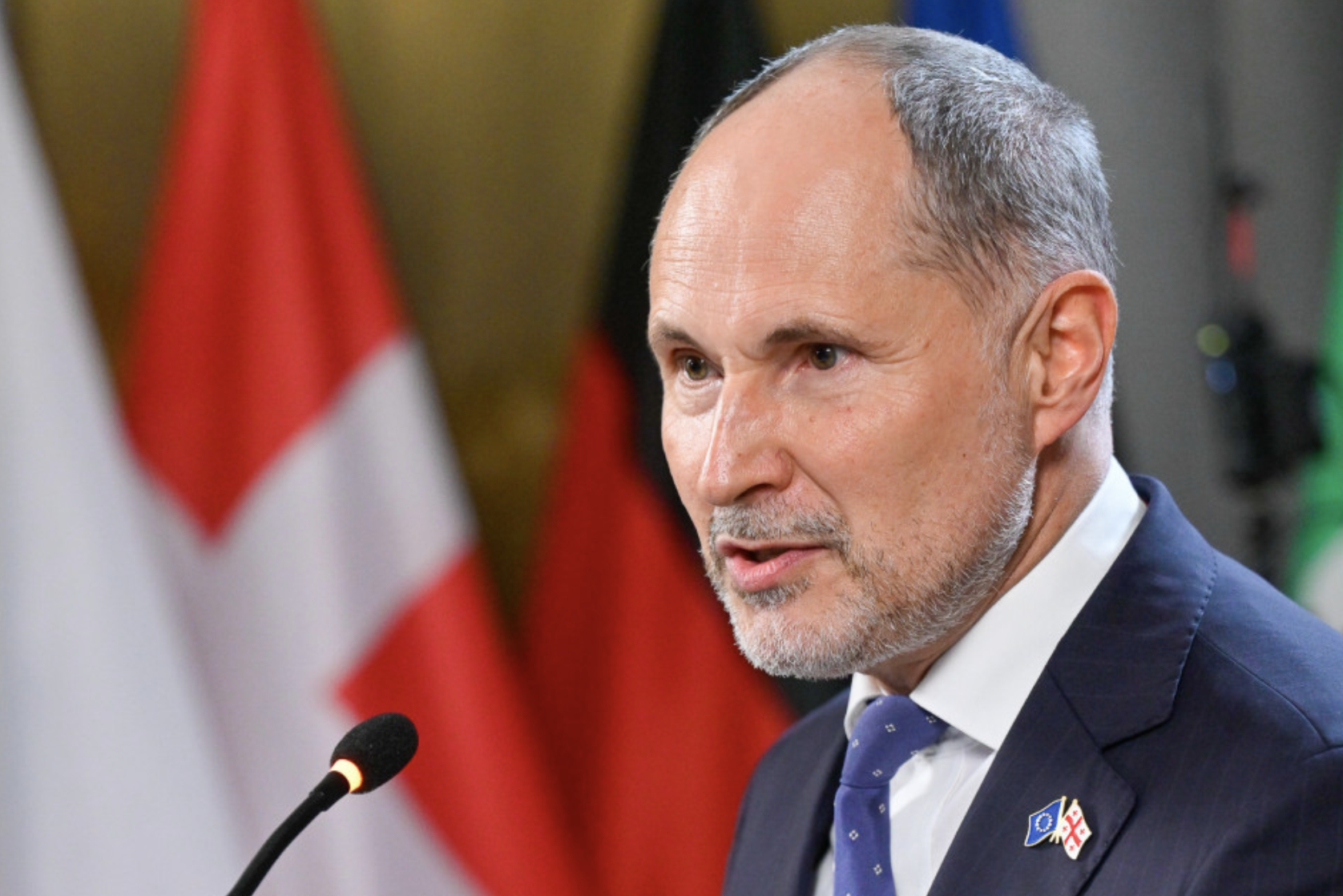
პაველ ჰერჩინსკი: საქართველოს კანდიდატის სტატუსის მხოლოდ სახელი შერჩა – მმართველი პარტია ევროკავშირისკენ მიმავალ გზას ძირს უთხრის
კაია კალასი: საქართველოს ხელისუფლება ევროკავშირთან დაპირისპირების გზაზე დგას – იანვარში შესაძლო რეაგირებაზე ვიმსჯელებთ
მარტა კოსი: საქართველოში დემოკრატია მკვეთრად უკუსვლას განიცდის, კანონის უზენაესობა სწრაფად ირღვევა – ევროკავშირში გაწევრიანების პროცესი დე ფაქტო შეჩერებულია
ევროკომისია: საქართველოში სამოქალაქო საზოგადოება რეპრესიულ გარემოში საქმიანობს, ძალაუფლების კონცენტრაცია კი გრძელდება
ევროკომისია: საქართველოში დემოკრატიის მდგომარეობა კვლავ გაუარესდა – ოპოზიციური პარტიების აკრძალვის მცდელობა დემოკრატიის საფუძვლებს საფრთხეს უქმნის
ევროკომისია: საანგარიშო პერიოდში ევროკავშირსა და საქართველოს შორის მაღალი დონის პოლიტიკური შეხვედრა არ გამართულა
ევროკომისია: 2028 წლამდე ევროკავშირთან მოლაპარაკებების გახსნაზე უარის თქმა საქართველოს კონსტიტუციურ პრიორიტეტებს ეწინააღმდეგება

Ukraine cannot export about 90M tonnes of agricultural products due to blocking of ports – Shmyhal

ნახვები: 320 Ukraine cannot export about 90M tonnes of agricultural products due to blocking of ports – Shmyhal
Ukraine cannot export about 90 million tonnes of agricultural products due to the blockade of its ports by Russia, and this could lead to a global food crisis.

Ukrainian Prime Minister Denys Shmyhal said this in an interview with RBC-Ukraine.

"Ukraine has proved to be an extremely powerful producer and supplier of food to the world. Now the world is preparing for a powerful food crisis caused not by sanctions against Russia, but, in fact, by its actions to block our seaports. We cannot export about 90 million tonnes of our agricultural products," he stressed.

He clarified that for the first time in the past hundred years, a situation has been recorded when one state blocks the ports of another in order to create a food crisis in the world.

"Seaports are blocked, and 70% of these exports went through them. In fact, the greater part of our border is in the war zone or with unfriendly countries. We have a very reliable 'bottleneck' for exports, but with much lower capacity compared to ports. I'm talking about our western border with Europe," Shmyhal added.

Earlier reports said that Ukraine had restricted exports of buckwheat, rye and oats during martial law to avoid their possible shortage.
ყველას ნახვა
ყველას ნახვა
ყველას ნახვა