Gocha Mirtskhulva
A Calculated Escalation Undermining Georgia–U.S. Relations
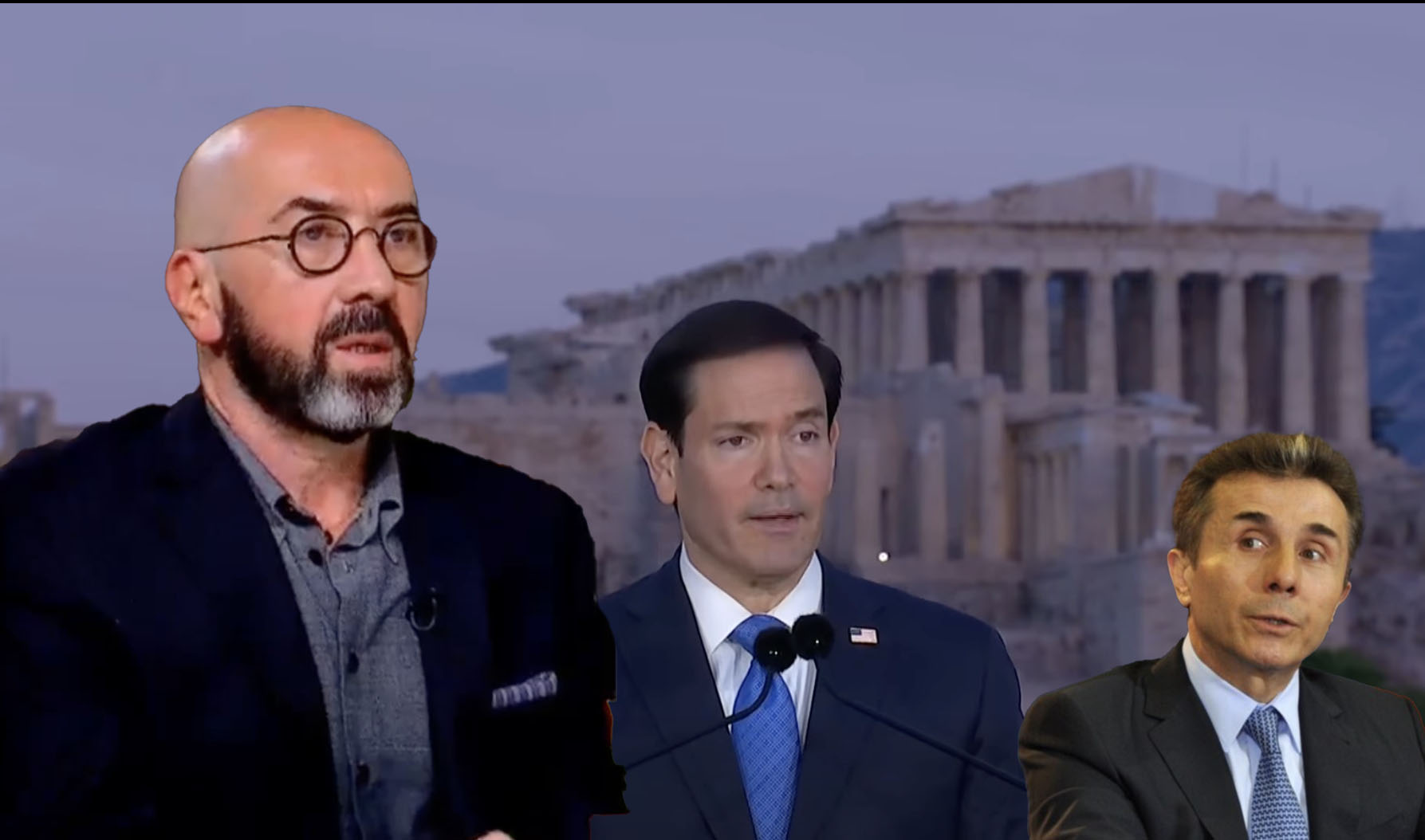
Bidzina Ivanishvili’s recent public refusal to meet with the U.S. Ambassador — citing alleged “personal blackmail” and the freezing of his foreign assets — raises serious concerns about both diplomatic protocol and the health of Georgia’s strategic orientation. More than a matter of etiquette, the statement reveals a disconcerting conflation of private grievance with statecraft.
By openly discussing what should have remained a confidential diplomatic overture, Ivanishvili undermines one of diplomacy’s cardinal principles: that personal interests must never overshadow the national interest. In doing so, he effectively personalizes Georgia’s foreign policy, suggesting that national decisions hinge on his individual financial circumstances.
Paradoxically, while he claims to reject engagement out of a principled refusal to mix state affairs with personal matters, his entire rationale is rooted in personal financial restrictions — including accusations that U.S. actors are complicit in obstructing the release of his Swiss-held assets. This casts Georgia’s foreign policy as not only reactive, but hostage to one man’s fortunes.
The tone and framing of the statement violate basic diplomatic norms. In established practice, strategic concerns with key allies are handled through structured dialogue and discretion. Accusations of blackmail and insinuations that diplomatic engagement is contingent upon personal restitution read not as principled defiance, but as political theater.
More tellingly, the statement echoes rhetoric typical of Kremlin-aligned narratives: references to the "deep state," accusations against USAID, and the rejection of Western institutions as subversive forces. These themes mark not only a departure from Georgia’s longstanding Euro-Atlantic aspirations, but an attempt to frame that departure as justified and necessary.
Viewed through this lens, Ivanishvili’s rhetoric serves as more than a defense of personal interest — it is a signal of strategic realignment. By portraying Western partners as morally compromised and politically coercive, he lays the groundwork for a pivot toward Russia, repackaged for domestic audiences as a stand for sovereignty.
The implications are severe. Refusing a meeting with the U.S. ambassador — Georgia’s key strategic ally — casts doubt on the sincerity of the ruling party’s commitment to Euro-Atlantic integration. Instead of partnership, it projects grievance; instead of strategic clarity, personal entanglement.
Ivanishvili’s messaging also seems tailored to reinforce his domestic image as a “strong leader” capable of rejecting global power centers. But behind the façade lies an effort to prepare the political ground for a deeper break from the West — one justified by wounded pride and financial retribution, not policy vision.
Ultimately, this is not diplomacy. It is a thinly veiled ultimatum: restore my assets, or Georgia’s orientation will change. Such framing introduces a dangerous precedent — one where private legal matters dictate public diplomatic direction.
Conclusion
This statement does not represent the defense of Georgian sovereignty. Rather, it reflects a retreat from democratic alignment under the guise of national pride. It amplifies the perception that the current leadership is more focused on preserving its internal power structure than on maintaining stable, principled international alliances. What is presented as strength may, in reality, be strategic desperation — a high-stakes gambit whose cost may be borne by the Georgian people, not just its political class.