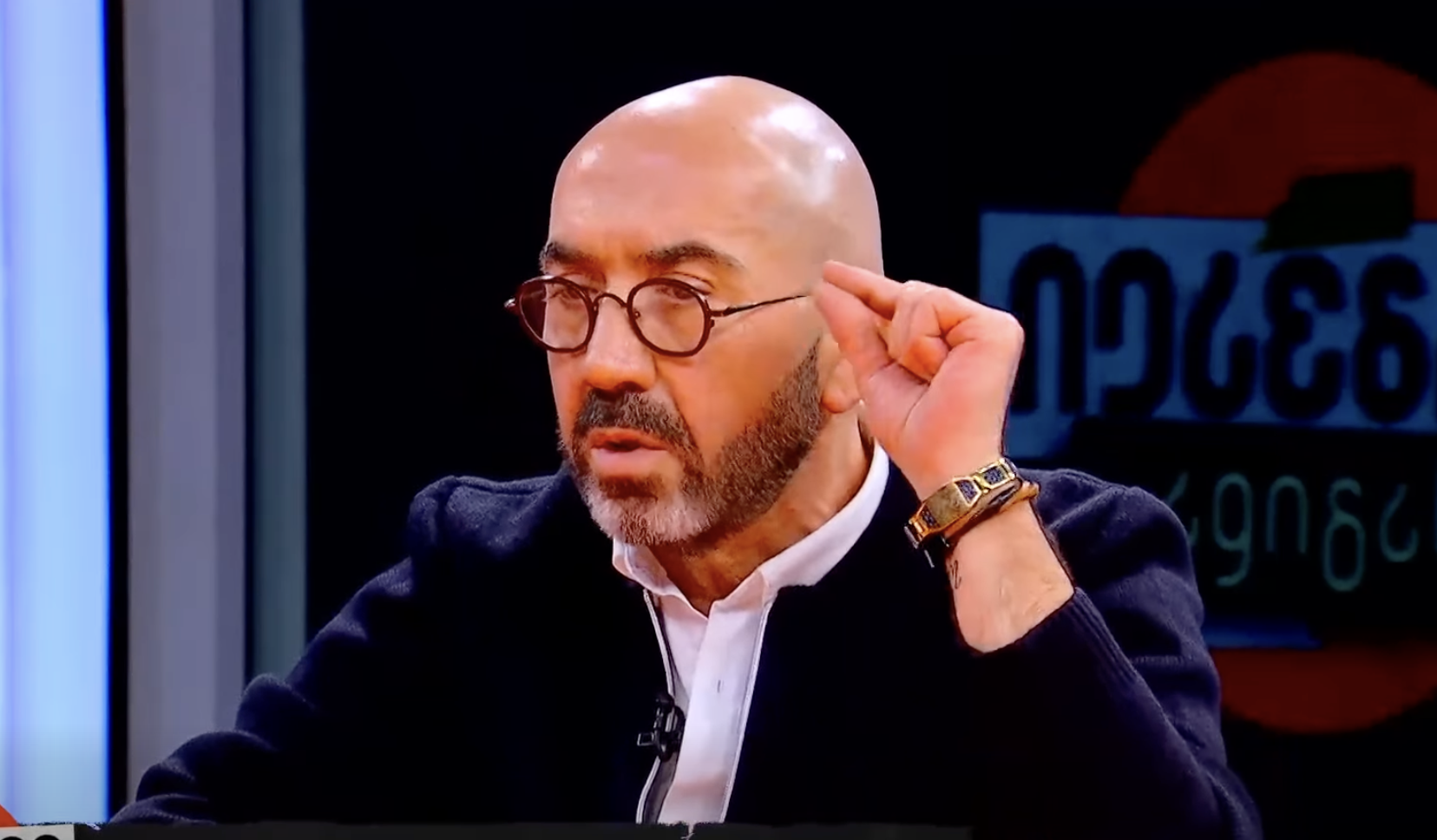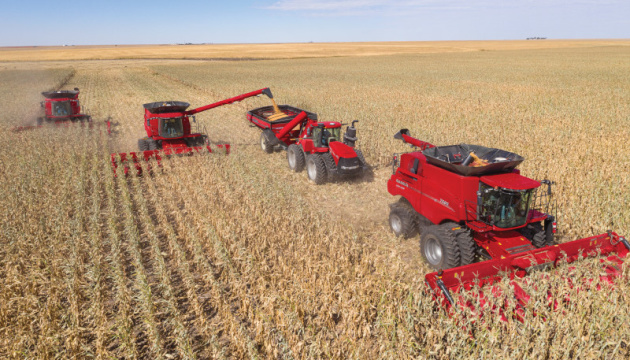
"There is obvious support for Ukraine within the European Union. EU continues to stand in solidarity with this country. Today we will consider together further possibilities of how to support the agricultural sector of Ukraine," Peter Kullgren, Minister for Rural Affairs of Sweden, representative of Sweden’s EU Council presidency, said ahead of the Council meeting, an Ukrinform correspondent reports.
He noted that the key topic of today's meeting is the current situation in the EU agricultural market.
"This situation seems to have somewhat stabilized over the past months, but at the same time, high energy prices and high purchase prices resulting from the Russian invasion of Ukraine still remain a problem for the EU agricultural sector," Kullgren emphasized.
The ministers also consider ways of developing the so-called bioeconomy and implementing EU legislation on reducing harmful emissions in the agricultural sector.
As reported, after Russia unleashed full-scale military aggression against Ukraine, the EU began to provide Ukraine with meaningful political, economic, financial, humanitarian, and security assistance.
In particular, after Russia blocked Ukrainian Black Sea ports and made Ukrainian agricultural export impossible, the EU organized the so-called solidarity lanes for the export of Ukrainian grain to foreign markets by land routes and inland water transport across the EU borders. This allowed Ukraine to export millions of tonnes of grain and reduce the severity of the global food crisis, caused by Russian aggression against Ukraine.
Photo: All-Ukrainian Agrarian Council