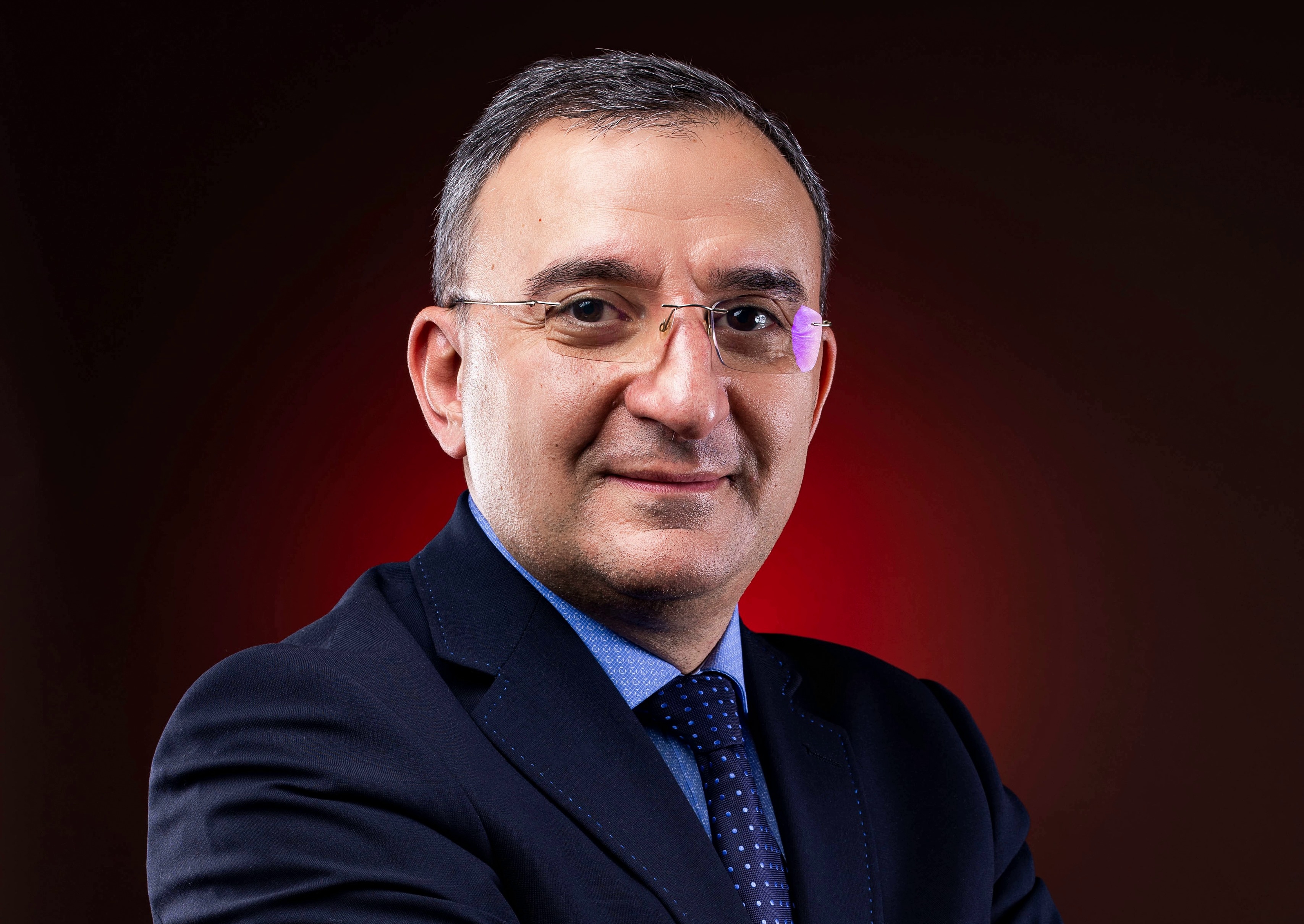
Latvian Transport Minister Kaspars Briškens has proposed to ban imports of Russian and Belarusian grain to the EU.
According to Ukrinform, this was reported by LSM.
As noted, in 2022, goods of Russian and Belarusian origin accounted for more than half of the cargo volumes of the Latvian state-owned company LDz. Although the figures for 2023 are not yet known, the company's management confirms that it will continue to carry out transportation.
Read also: Ukraine exports almost 19M t of grains, pulses
Grain and its processed products account for the largest share of transported cargo, with Russia and Belarus accounting for more than half of all transported cargo in 2022, according to the latest LDz publicly available annual report.
Latvia's new Minister of Transport Kaspars Briškens calls Russian grain "bloody" and proposes to ban its imports to the EU.
Therefore, Briškens has already instructed the ministry to prepare an analysis of the consequences of a ban on imports of Russian and Belarusian grain.
Read also: Ukrainian economy exhibited some resilience to effects of war in 2023 - UN report
The minister has also begun talks with his Estonian and Lithuanian counterparts on this topic.
The Baltic states should have a common position, Briškens said, adding that he will try to convince the government and other EU countries to ban imports of Russian and Belarusian grain as part of the next package of sanctions.
As Ukrinform reported, the second summit of the Ukrainian humanitarian initiative Grain from Ukraine took place in Kyiv on November 25 under the auspices of the President of Ukraine. As a result of the summit, a joint statement was adopted, which was supported by 23 countries.
Read also: Export revenues in 2023 lowest in last decade - Economy Ministry
The Government of Sweden has announced that it will provide Ukraine with an additional EUR 8.7 million under the Grain From Ukraine initiative.
Finland will provide EUR 3 million in additional support to improve food security in Ukraine. The funds will be used to support grain exports and to help demine villages.
As part of the Grain from Ukraine initiative, Lithuania is ready to increase the transit capacity of Baltic ports for Ukrainian exports.