Ukraine's Foreign Intelligence Service said this in a statement seen by Ukrinform.
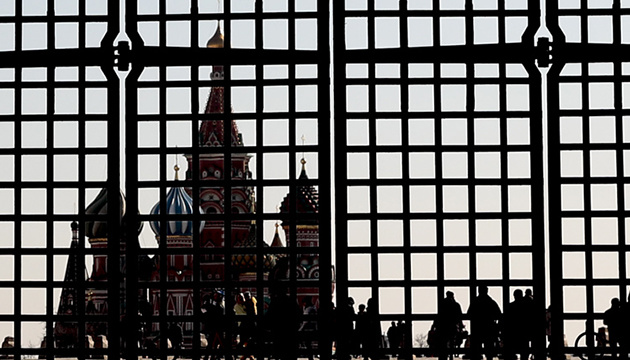
In developed countries, the transition to a four-day work week has become a symbol of social progress, while in Russia it serves as a cover for economic decline. European companies adopt shorter work schedules to boost productivity, fight burnout, and improve work-life balance. In contrast, Russian companies are compelled to reduce working days because the labor market is overwhelmed by crisis and consumer demand is falling.
The UK, Iceland, Japan, and Poland are already experimenting with the four-day week, with positive results: fewer sick leaves, lower staff turnover, higher productivity, and greater employee satisfaction. In Tokyo, the move has even become part of a national strategy to raise the birth rate.
Read also: Ukrainian intelligence: Tax pressure in Russia is growing, banks will be first to be hitIn Russia, however, intelligence noted, the shorter work week has become a form of hidden unemployment. AutoVAZ, KamAZ, metallurgical plants, cement factories, and the railways are shifting staff to four-day schedules in an attempt to disguise falling production and avoid mass layoffs. Officially, this is presented as "job preservation," but in reality, workers are losing income, bonuses, and social benefits.
Moscow traditionally seeks to conceal the true scale of the problem. Mass layoffs in official statistics would be an open admission of economic collapse, so authorities pressure companies to keep employees on the books while effectively sending them into forced "short weeks" or unpaid leave.
The difference in approaches is stark: in the West, the four-day week is a tool of progress, while in Russia, it is a symptom of decline. Western workers gain more free time without loss of income, while Russian workers face lower pay and no certainty about tomorrow.
"Russia's economy is deteriorating faster than official data admits: sanctions have hit civilian sectors, domestic demand is falling, and the budget is being drained by the war. The 'Russian four-day week' only confirms the crisis in which the country is mired due to its aggressive policies and economic backwardness," the Foreign Intelligence Service said.