Gocha Mirtskhulava, Political Analyst
Tbilisi, Georgia
Total Sabotage of Western Integration and a Full Pivot Toward Russia
Historically, letters of this kind have often preceded tectonic shifts in a country’s geopolitical course. This case is no exception — the warning signs are neither subtle nor deniable.
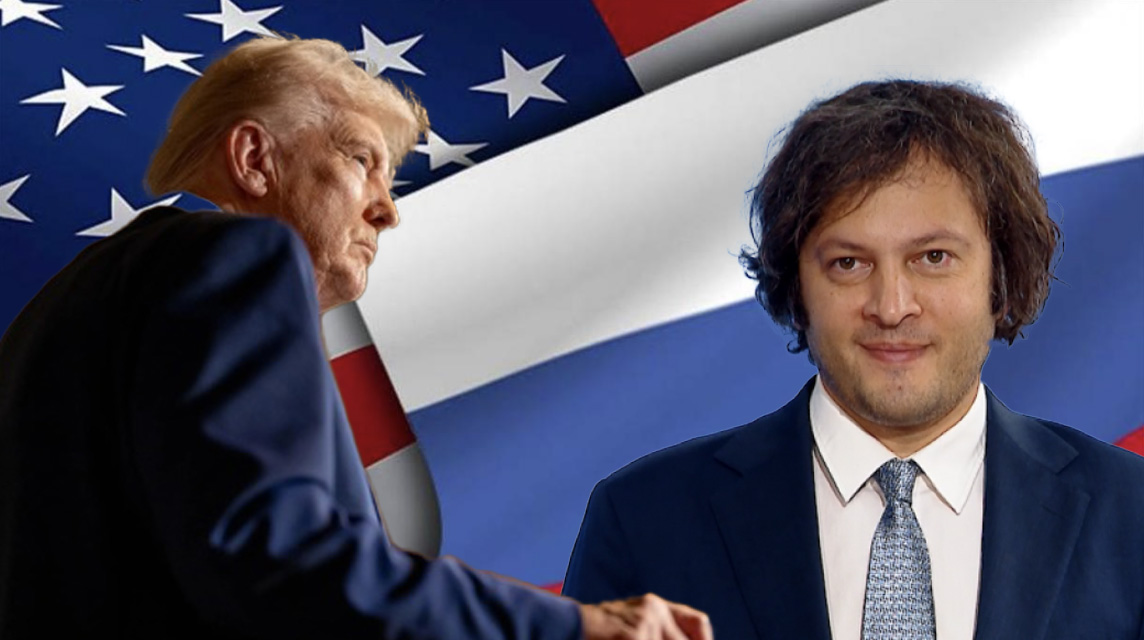
At first glance, Kobakhidze’s letter might appear to be yet another episode in the increasingly fraught Georgian-American relationship. But a closer reading reveals something far more calculated: a deliberate political manifesto, crafted not merely for foreign consumption, but for domestic mobilization. Its purpose is to justify, in advance, a radical turn — away from the West and directly toward Russia.
Substantively and rhetorically, the letter is a textbook case of Kremlin-style propaganda, dressed up as sovereign lament. It reiterates the familiar disinformation tropes: “deep state,” USAID-funded revolutions, LGBT propaganda, Soros conspiracies, and the alleged moral decay of the West. In doing so, Kobakhidze positions Georgia’s Western allies — not its occupying neighbor, Russia — as the true threat.
This is not a plea for re-engagement. It is a performance, intended to cement in the minds of the Georgian public a sense of betrayal by the United States — and to present any future estrangement from the West as not only justified, but inevitable.
The letter is soaked in resentment, entitlement, and carefully constructed antagonism. It sets the stage for a propaganda pivot that tells the population:
“We tried. They rejected us. Now we must go our own way.”
And that “own way” is painfully clear — toward authoritarianism, toward Kremlin alignment, and away from the Euro-Atlantic path Georgia has aspired to for decades.
The most alarming undertone of the letter is its preemptive moral absolution: that whatever comes next — suppression of protests, further attacks on civil society, or severing of ties with the West — is a reaction, not a choice.
By accusing the U.S. government of financing a revolution, Kobakhidze not only undermines any remaining trust between Tbilisi and Washington, but also stokes a dangerous internal narrative of siege and subversion — the hallmark of repressive regimes everywhere.
One passage stands out for its theatrical absurdity:
“While you maintain dialogue with openly authoritarian states, your silence toward Georgia — a country that shares your values — is inexplicable.”
This isn’t diplomacy — this is blackmail in a velvet glove. The language may be formal, but the intent is to provoke, isolate, and radicalize.
It reads like a scene from a Venetian tragicomedy, where a petty despot, cloaked in the costume of a patriot, sobs to the court because the emperor failed to respond to his letter — and now the empire must suffer.
This is not a letter to the West. It is a letter to the nation.
A prelude to abandonment. A manifesto of estrangement. A signal that Georgia, under “Georgian Dream,” is prepared to cut the cord — and blame the West for it.
More than anything, it is a farewell note to democracy.
Nation Georgia