War against Ukraine accelerates utility collapse in Russia – intelligence
09.01.2026 ნახვები: 171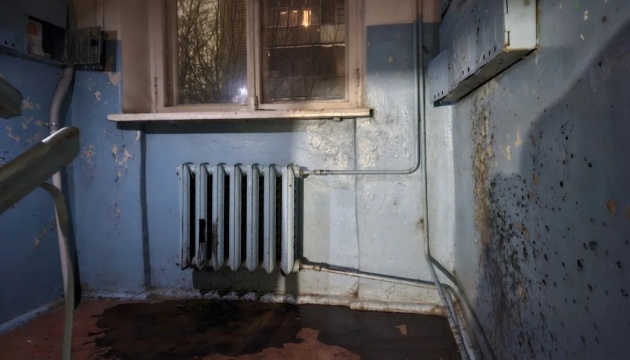
According to Ukrinform, the Foreign Intelligence Service of Ukraine stated this on its website.
Worn-out heating networks, the lack of scheduled modernization, and chronic underfunding have led to a situation where accidents that were once fixed within hours now last for weeks, leaving people without heat in the midst of severe frosts.
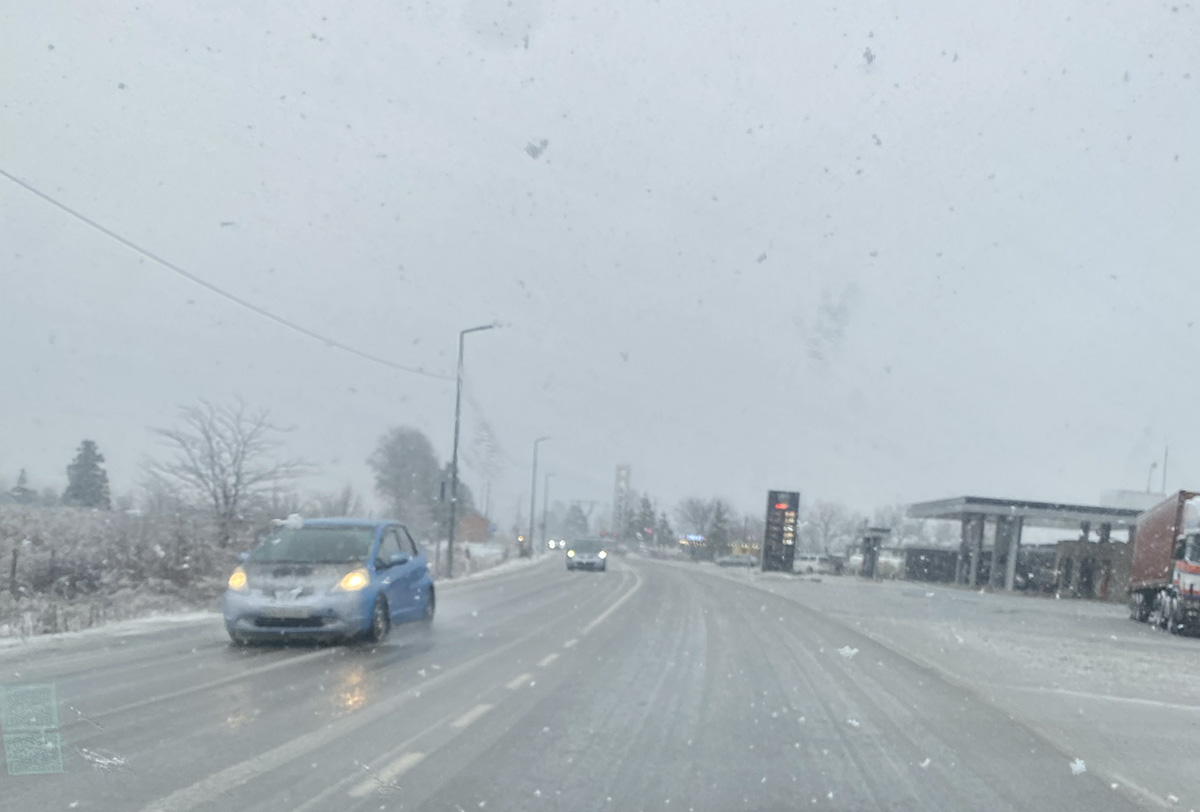
One of many examples is the settlement of Atamanovka in Zabaykalsky Krai, where about five thousand people, including hundreds of children, have been without heating for more than a week. The first ruptures in the heating main occurred as early as December 30, but failures have continued one after another. Temperatures in apartments have dropped to nearly zero while outside temperatures are around -25°C, and residents are forced to live in winter clothing. Schools and kindergartens are closed, and heating centers set up by local authorities turned out to be cold and effectively unusable.
Read also: Losses from economic crimes in Russia hit record highs – intelligenceOfficials traditionally limit themselves to promises and demonstrative meetings, but the problem is much deeper: Russia's utility system has not been modernized for decades. Rosstat has already acknowledged that one-third of heating networks are in critical condition. At the same time, in various regions of the country – from Siberia to the central regions – a series of mass accidents on heating pipelines have been recorded already at the beginning of the year, leaving entire districts without heat.
"An additional blow to the industry was the sharp reduction in funding for housing and communal services. The Kremlin has halved the budget for communal infrastructure within a few years. While trillions of rubles are being spent on the war, the money that remains for heating networks is enough to patch holes, rather than fully replace worn-out systems," the Foreign Intelligence Service emphasized.
As Ukrinform previously reported, in the Russian Federation the degradation of the rural network continued in 2025; in particular, at least 266 settlements were officially liquidated, most of them completely depopulated villages.
Photo: illustrative, Anastasia Tsitsinova / "Novaya Gazeta"