Putin's trust rating drops 5% in Russia – ISW
06.04.2026 ნახვები: 101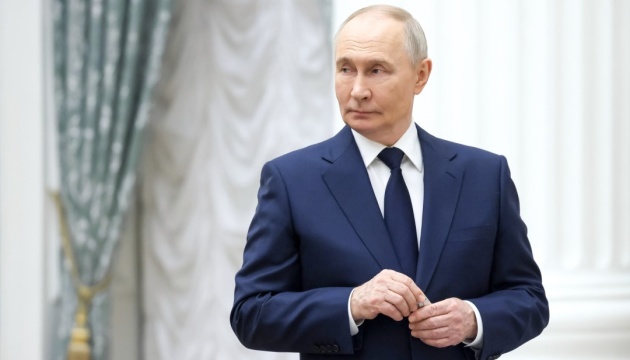
According to Ukrinform, this is stated in a report by the Institute for the Study of War.
"The Kremlin continues to face harsher backlash from Russia’s domestic populace about its intensified censorship efforts in recent weeks than Moscow likely expected or was prepared for," the report reads.
Polling from the Kremlin-linked Public Opinion Forum (FOM) from March 27 to 29 found that Putin's trust rating fell by 5% from 76% to 71% since March 22 – the highest decrease since 2019.
Weekly FOM polling shows Putin's trust rating consistently falling since February 8, 2026, just before the Kremlin significantly throttled Telegram on February 9 and 10.
Read also: Ukrainian gains on southern front put Russian command in deadlock – ISWAt the same time, criticism from Russian propagandists and military bloggers has been growing, as they are dissatisfied with attempts by the authorities to block Telegram. They point to rising censorship costs amid increasing prices, as well as communication problems for the military.
Telegram founder Pavel Durov said that despite restrictions, 65 million Russians still use VPNs daily to access Telegram. According to him, the Kremlin's actions also caused major disruptions in banking systems on April 3, when blocking IP addresses led to payment issues across Russia.
The ISW notes that Russian authorities are demonstrating a lack of a coherent censorship strategy, while the public reaction has been significantly stronger than the Kremlin anticipated.
As reported, experts believe that the possible blocking of Telegram in Russia reflects the Kremlin's fear of external information influence and its attempt to establish full control over domestic communications.